
This July has me rethinking my relationship with food
How moving to South Florida, healing from gastritis, and Ayurveda changed the way I nourish myself.
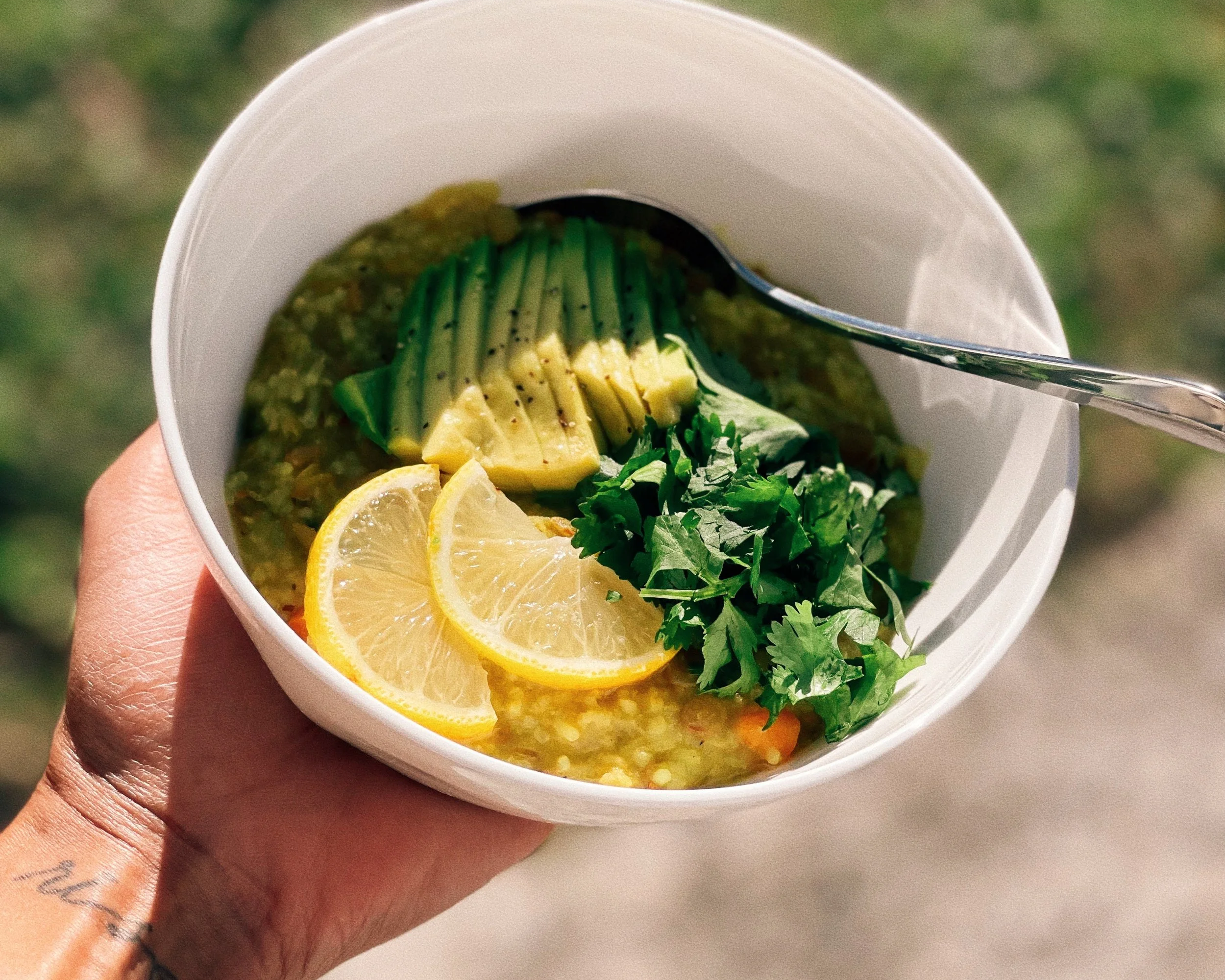
A bowl of homemade kitchari garnished with sliced avocado, cilantro, and lemon slices.
July in South Florida always makes me especially aware of my body.
For one, the heat is relentless. My bedroom, which is on the second floor of the 1960s townhouse my mom inherited from my grandfather (poor air circulation), is always uncomfortably warm by bedtime. I think I want to spend time on my back patio, until, after just a few minutes outside, I realize that I don’t. I'm drinking more water without thinking about it, craving fruit almost every day, wanting lighter meals, and noticing that my body is much more responsive to spicy and fatty foods than it used to be.
That's had me reflecting on how much moving from New York changed my relationship with food.
I swear there are so many things I used to eat without giving them a second thought. Some of that is probably just part of getting older. Bodies change, after all. But as an Ayurvedic educator, I've also started wondering how much of it has to do with living in a completely different climate than the one I the last few years in.
I'm a Vata-Pitta constitution, and when I first moved back to Florida in 2023, I started noticing small changes that didn't seem particularly significant at first, but were still very noticeable. For example, foods I'd eaten for years suddenly didn't sit quite the same. My stomach felt more sensitive than it used to, and over time I experienced a few bouts of acute gastritis.
My most recent episode this spring was different. That one was rooted in stress. I lost my grandfather in March, and by late April, shortly after his funeral, my body sort of gave way to it all. My nervous system had been carrying months of anticipatory grief, anxiety, and loss, and eventually it reached a point where it needed me to slow down.
Healing that kind of gastritis, as I gradually learned, wasn't about finding the perfect food—which was honestly frustrating. Imagine thinking, "All I have to do is change my diet for a few days and I'll be good as new in a week, just like the other times," only to realize your body was going to need much more time. (I was mis-er-a-ble.) Healing looked like calming my nervous system, allowing my stomach to rest, and giving my body the time and space it needed to recover.
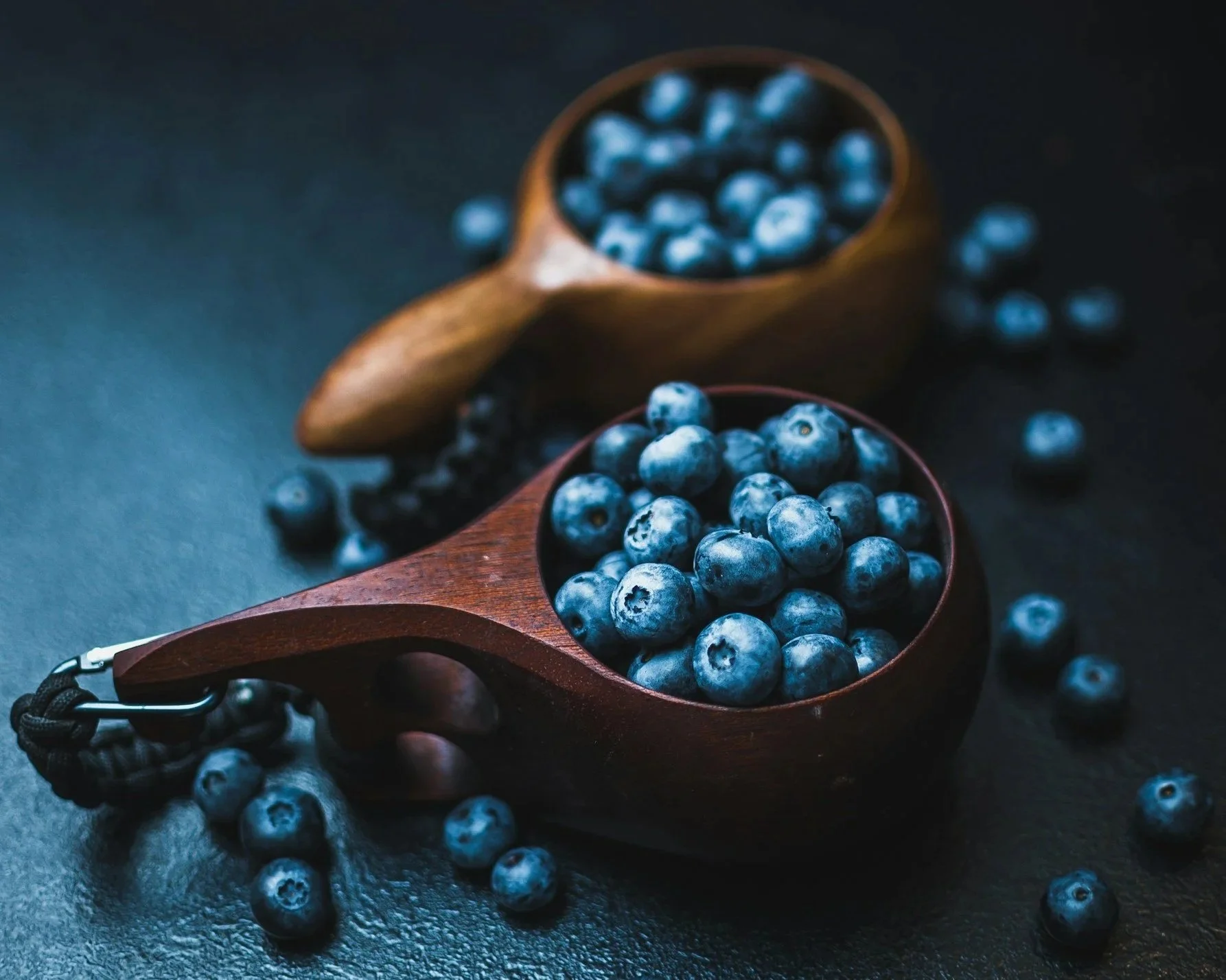
As I slowly started introducing foods again, I became very intentional about what I ate. I spent a lot of time researching which foods tend to be easiest on a stomach healing from acute gastritis, and my staples became very simple: foods like melons, apples, pears, blueberries, cherries, avocado, egg whites, sweet potato, basmati rice, mung beans, soft cooked vegetables, room-temperature water, lactose-free yogurt, and so on.
(Note: It took time to build up to those things. For weeks, I was literally eating peeled red potatoes, applesauce, bananas, basmati rice, and saltines...but I digress.)
Then it dawned on me: many of the same foods that were commonly recommended for healing gastritis also aligned with Ayurvedic recommendations for both my Vata-Pitta constitution and the summer season. So I've been sitting with that realization a lot these past few days, especially as I've been easing back into yoga, Pilates, and cardio, and thinking about how I want to nourish my body going forward. One of the things I appreciate most about Ayurveda is that it reminds us our bodies don't exist in isolation. They're constantly responding to the world around us, including changes in the climate, the season, stress levels, and even where we live.
Not to state the obvious, but living in South Florida isn't the same as living in New York. The heat is different. The humidity is VERY different. In Ayurvedic terms, those are largely Pitta qualities. Pitta is the dosha associated with heat, metabolism, transformation, and intensity. Summer is considered Pitta season for that very reason. And as the temperatures rise, those qualities naturally increase for everyone, regardless of our individual constitution.
That's something I don't think I'd fully appreciated until recently.
We’re born with a unique constitution, or prakriti, that's made up of the three doshas: Vata, Pitta, and Kapha. While my own constitution leans Vata-Pitta, living in a hot, humid climate doesn't change who I am, but it changes what my body may need to stay in balance. If I'm already carrying a fair amount of Pitta by nature, then adding months of Florida heat, emotional stress, grief, and inflammation into the mix might mean my body benefits from foods that are more cooling, hydrating, and easy to digest.
I think that's one of the reasons I love Ayurveda so much. It's encourages us to become students of our own bodies. So instead of asking, "What's the healthiest thing I can eat?" Ayurveda essentially has us ask, "Given who I am, where I live, and the season I’m in, what might help me feel more balanced today?"
I want to be clear that I don't think Ayurveda alone healed my gastritis. My healing came from many places: rest, therapy, grief work, meditation, time, support from my healthcare providers, and slowly allowing my nervous system to settle. Ayurveda didn't replace any of those things. But what it did offer was a framework that helped me understand why these particular foods—and this gentler way of nourishing myself—felt so supportive.
As I've continued recovering, I've decided I want to stay with many of the foods that supported my healing, not because I feel like I have to, but because I've realized how good they make me feel given where I live now and this chapter of grief I’ve been moving through. My digestion has been so much calmer, my energy has been steadier, and my menstrual cycles have been much kinder to me. In fact, while I haven't been able to take ibuprofen these past two cycles because of my stomach, I actually haven't really needed it. My cramps have been incredibly gentle, and that's made me even more curious about the relationship between nourishment, inflammation, and overall balance.
More than anything, this experience has reminded me that embodiment often looks a lot less complex or regimented than we imagine. Often times, embodiment is often just about being mindful. In this context, paying attention to the meals that leave you feeling energized instead of depleted. Or Paying attention to what you're craving during a hot summer. And even paying attention to the possibility that your environment might be causing your body to ask you for something different than it did a few years ago.
We often we ask ourselves, What should I eat?
But I think a much more interesting question is:
How might my body be asking me to nourish it differently in this season?